Common Causes of Basement Flooding
Basement flooding can come from inside or outside the home. Across Metro Atlanta, recurring thunderstorms, humid conditions, sloped lots, plumbing failures, and drainage problems can all contribute to lower-level water damage. Identifying the source helps our team choose the appropriate safety precautions, cleaning methods, and drying plan.
- Heavy rain and stormwater: Water may enter through doors, windows, foundation openings, or areas damaged during a storm.
- Sump pump failure: Mechanical problems, power outages, blocked discharge lines, or overwhelming water volume can cause a sump pump to stop working.
- Foundation openings and groundwater: Saturated ground may allow water to enter through cracks, gaps, window wells, or other vulnerable areas.
- Plumbing and appliance leaks: Burst pipes, leaking water heaters, damaged supply lines, and failed appliance connections can release water into the basement.
- Drain and sewer backups: Sewer, septic, or drain backups may introduce contaminated water that requires additional cleanup and safety precautions.
What to Do When Your Basement Floods
Before entering the basement, take these precautions:
- Check for hazards: Stay out of standing water near electrical equipment, damaged flooring, sewage, or other contaminants. Keep children and pets away.
- Stop the source if it is safe: Shut off the main water supply for a plumbing leak only if the valve is safely accessible.
- Document the damage: Take photographs or videos from a safe location and avoid discarding major belongings before they are documented.
- Request professional help: A free assessment can identify affected materials, contamination concerns, and the appropriate cleanup plan.
Our Basement Water Removal and Drying Process
Every flooded basement is different. We begin by evaluating the water source, affected materials, potential contamination, and extent of the damage. From there, the process may include:
- Assessing and documenting the affected areas
- Extracting standing water with professional equipment
- Evaluating wet carpet, drywall, insulation, flooring, and other materials
- Removing materials that cannot be safely cleaned or dried
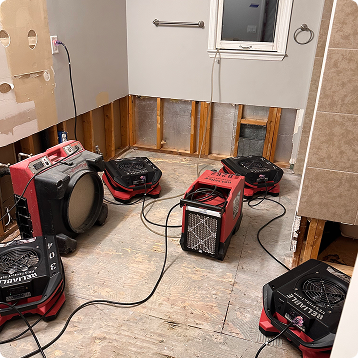
- Positioning commercial air movers and dehumidifiers
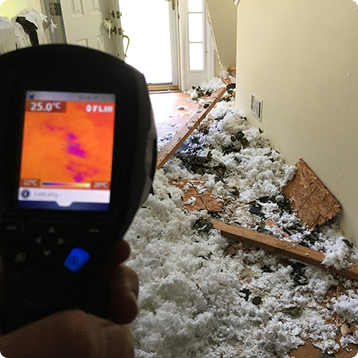
- Using moisture meters and, when appropriate, thermal imaging to locate hidden moisture
- Monitoring moisture levels and adjusting equipment as drying progresses
- Documenting drying results and preparing the basement for necessary repairs
Not everything that gets wet must be removed. Our team will explain which materials may be dried or cleaned and why removal may be recommended for contaminated or badly damaged materials.
What About Mold and Damaged Belongings?
When moisture remains in a basement, conditions may lead to mold growth. Mold can begin developing within approximately 24 to 48 hours when conditions are favorable, although every situation is different.
If visible growth, persistent odors, or older water damage are present, Reliable Restoration can provide professional mold removal and remediation. The appropriate response depends on the extent of growth, affected materials, and underlying moisture source.
We can also help evaluate furniture, photographs, documents, decorations, and other stored belongings. Whether an item can be saved depends on its material, the water source, contamination, and length of exposure. When appropriate, our contents cleaning and storage services can be a part of the restoration plan.