Common Causes of Water Damage in Cumming Properties
Cumming homes and businesses can experience water damage from plumbing failures, appliances, storms, drainage problems, and hidden leaks. Identifying the source is essential because it helps us determine the appropriate cleanup method and what needs to happen before repairs begin.
Basement and Crawl Space Water Damage
Basements and crawl spaces may be affected by groundwater intrusion, heavy rain, foundation openings, plumbing leaks, drainage problems, or sump pump failures. These areas can also conceal moisture because they may not be entered or inspected every day.
Signs of basement or crawl space water damage can include:
- Standing water
- Damp insulation or wood
- Musty odors
- Water stains
- Wet carpet or padding
- Warped flooring
- Condensation
- Peeling paint
- Visible mold or mildew
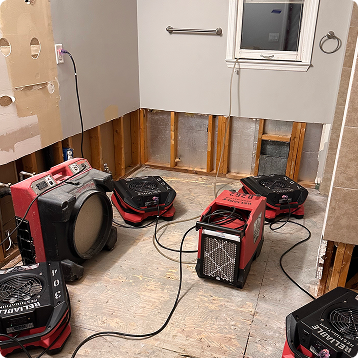
When we evaluate a wet basement or crawl space, we look beyond the visible water. We also consider whether moisture has reached insulation, framing, drywall, flooring, or stored belongings.
Our flood damage cleanup services can include water extraction, moisture mapping, structural drying, cleaning, damaged material removal, and preparation for repairs.
Plumbing and Appliance Leaks
Dishwashers, refrigerators, washing machines, water heaters, toilets, sinks, and supply lines can all cause water damage. Some failures release a large amount of water quickly. Others create a slow leak that remains hidden beneath an appliance, cabinet, or finished floor.
A leak on an upper level can also affect multiple areas. Water may travel through the floor and reach the ceiling, walls, insulation, or fixtures below.
Our team follows the path of the water instead of limiting the assessment to the room where the leak began. This helps us identify materials that may look unaffected but still contain elevated moisture.
Roof Leaks and Storm Damage
Heavy rain, strong winds, fallen limbs, and damaged roofing materials can allow water to enter the attic or other areas of a building. Once inside, water may travel along framing before appearing as a stain on the ceiling or wall.
Our team can assess and document interior water damage resulting from a storm. Restoration may involve:
- Inspecting the water’s path
- Removing wet insulation
- Drying framing and other materials
- Addressing damaged drywall and ceilings
- Cleaning affected areas
- Coordinating interior repairs
The roof opening or exterior source must also be corrected so water does not continue entering the structure.
Flood Cleanup and Standing Water Removal
Flooding can affect several rooms or levels of a property at once. Water may enter through an exterior opening, collect in a basement, or spread after a significant plumbing or appliance failure.
When we respond to a flooded property, we begin by assessing whether the area is safe to enter and determining whether the water may contain contaminants. The source and category of the water influence the extraction, cleaning, and material-removal procedures we use.
Depending on the conditions, flood cleanup may include:
- Extracting standing water
- Documenting affected rooms and materials
- Moving or protecting salvageable belongings
- Removing damaged carpet and padding
- Removing wet drywall or insulation when necessary
- Cleaning and sanitizing affected surfaces
- Installing drying equipment
- Monitoring moisture levels
- Preparing the property for repairs
We will keep you informed as the work moves from extraction to drying and from drying to reconstruction.
Sewage Backup Cleanup in Cumming
A sewage backup requires a different response from a clean-water leak. Sewage may contain bacteria, viruses, and other contaminants that can create health and safety concerns.
If sewage enters your property, avoid contact with the affected water and keep children and pets away. Do not attempt to remove contaminated materials without the appropriate protective equipment and cleanup procedures.
Our sewage cleanup services may include:
- Evaluating the affected area
- Establishing containment
- Extracting contaminated water
- Removing materials that cannot be safely restored
- Cleaning and sanitizing affected surfaces
- Drying the remaining structure
- Monitoring moisture levels
- Documenting affected materials
- Preparing the space for reconstruction
Sewage damage may result from a septic system backup, sewer blockage, drain backup, or contaminated toilet overflow. If a plumbing or sewer-line problem caused the loss, a qualified plumbing professional may be needed to correct that problem. Our role is to clean, dry, restore, and repair the resulting property damage.
Mold Remediation After Water Damage
Mold needs moisture to grow, which is why unresolved leaks and incomplete drying can contribute to a mold problem. Mold may develop on drywall, wood, insulation, carpet, and other materials when damp conditions remain.
Growth is not always visible from the occupied portion of a room. It may be concealed behind drywall, beneath flooring, inside cabinets, or around insulation. Musty odors, staining, recurring dampness, or previously unresolved water damage may indicate that an assessment is needed.
When mold is found, our mold remediation services may include:
- Evaluating the affected area
- Identifying moisture conditions
- Establishing containment
- Using HEPA-filtered equipment
- Removing materials that cannot be restored
- Cleaning salvageable surfaces
- Addressing the moisture contributing to the problem
- Preparing affected areas for repairs
Drying is an important part of controlling moisture, but it does not remove mold that is already established. Our team will explain whether the conditions require water mitigation, mold remediation, or a combination of services.
Fire, Smoke, and Storm Damage Restoration
Water damage sometimes occurs alongside fire, smoke, or storm damage. Firefighting efforts can leave a building with saturated materials in addition to smoke and soot. Storm damage may involve both exterior openings and interior water intrusion.
Reliable Restoration provides fire damage restoration for homes and businesses in Cumming. Depending on the loss, our services may include:
- Damage assessment
- Water removal
- Soot and residue cleanup
- Smoke odor treatment
- Structural cleaning
- Contents handling
- Documentation
- Repair planning
Handling related damage through one restoration team creates a more coordinated recovery process. We can evaluate how the different forms of damage overlap and develop a plan that addresses the property as a whole.
Reconstruction After Cleanup and Drying
Water extraction and structural drying may not be the final steps. If drywall, flooring, insulation, cabinets, trim, or other materials cannot be restored, those areas may need repairs after mitigation is complete.
Our reconstruction services may include:
- Drywall replacement
- Flooring repair or replacement
- Painting
- Trim and finish work
- Cabinet repairs
- Ceiling repairs
- Room restoration
- Larger structural repairs when required
Because our team can manage both mitigation and reconstruction, you do not have to start over with an unrelated contractor after the drying equipment is removed. We already understand the damage, the materials removed, and the work needed to rebuild the affected area.
We will explain the transition from mitigation to reconstruction so you know which phase the project is in and what comes next.
Residential and Commercial Restoration in Cumming
Reliable Restoration serves both homeowners and business owners throughout Cumming and Forsyth County.
Our residential restoration work may involve:
- Single-family homes
- Townhomes
- Condominiums
- Rental properties
- Multifamily buildings
Our commercial restoration services may support:
- Offices
- Retail properties
- Community facilities
- Professional buildings
- Multifamily properties
- Other commercial spaces
Commercial losses often require careful coordination around occupied areas, equipment, inventory, records, and business operations. We work to identify affected areas, protect what can be saved, document the damage, and help the property move toward safe use.
We do not apply the same plan to every home or business. The layout, building materials, use of the property, and extent of the damage all influence our recommendations.